My plastics journey: from history student to plastics warrior
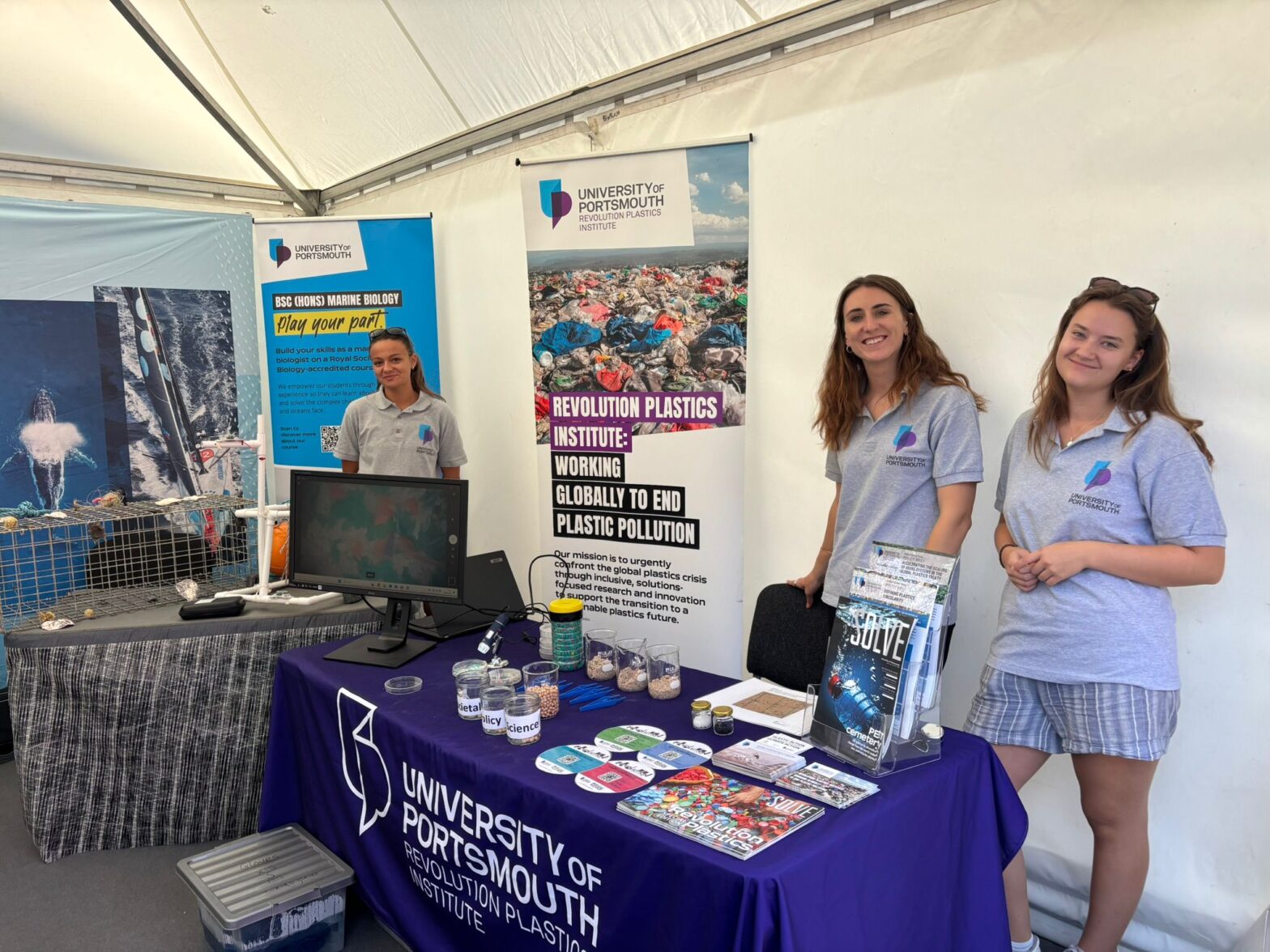
Undergraduate history student, Amy Gaisford (pictured right), recently completed a work experience programme with us at the Global Plastics Policy Centre. Here, Amy tells us more about her eye-opening experience, which has shaped her career goals and given a deeper appreciation for the complexities of plastics governance.
I am rather ashamed to admit that at the beginning of this summer, my knowledge of plastic pollution and its detrimental effects was limited to: plastic products = bad for the environment, recycling = a solution to these problems. Whilst this technically isn’t incorrect, the realities of plastic production, consumption and management are much more complex. Like the majority of the world, I had a vague understanding of why plastic was problematic, I just didn’t know how little was being done to manage it. I was about to discover how crucial effective policy is, and how much this field needs collaboration across borders and disciplines.
From climate concern to plastics action
I joined the Global Plastics Policy Centre (GPPC) in July this year to commence a seven-week work experience programme. The GPPC is a part of the Revolution Plastics Institute, based at the University of Portsmouth. At its core, the Centre is working to review international plastics policies. They are producing evidence to support effective design and implementation of policy, providing bespoke support to governments, NGOs and industry on how to design more effective approaches to address the plastics crisis. I am a final year undergraduate history student, studying at the University of Bristol, with a particular focus on US history, neo-colonialism and decolonisation — interests that have helped me appreciate wider geopolitical contexts.
You would be forgiven for being a little surprised at my decision to join the GPPC this summer, after all, I do not come from a scientific background. I questioned how well I would be able to fit into the plastics space. However, I am passionate about the climate crisis, with which the plastics crisis is inextricably linked — given plastics are fossil-fuel derived products. I was also drawn to the GPPC through their policy work, wanting to gain an insight into the international policy landscape and its mechanisms. Whilst I certainly received this, what I ended up taking away from the experience was far more enlightening.
The value of arts and humanities in solving the plastics crisis
The Centre champions transdisciplinary work. After discussing with Professor Cressida Bowyer her arts driven work in Kenya, I saw that scientific knowledge is not everything when it comes to tackling the plastics crisis. GPPC exemplifies the value of alternative and community driven approaches, collaborating with local voices to promote authentic and effective action. I was beginning to see how a background in the arts and humanities could provide a different set of skills to this field. For example, critical thinking and an appreciation of geopolitical historical contexts really helped me with research processes. I was tasked initially with reviewing a UK based plastics policy, allowing me to immerse myself in the work that drives the Centre. After a deep dive into the English policy landscape using the Centre’s research framework, I concluded that the 2015 plastic bag carrier bag charge in England (Order 2015/776) has had little success in limiting plastic pollution. This showed me how policy can often create the illusion of meaningful action, presenting a greenwashed image of progress while plastic pollution continues to rise. The evidence-based analysis I conducted is published here.
Exploring reuse policy in action through global conversations
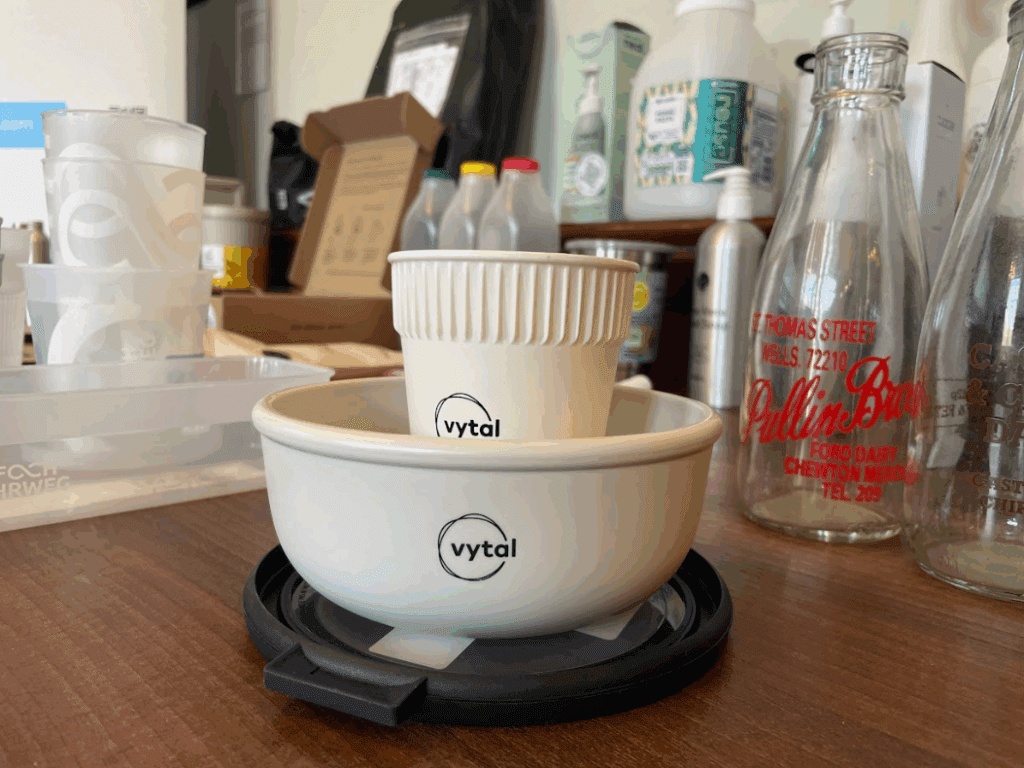
As the weeks flew by, I was immersed in the plastics policy landscape through diverse and engaging work. In particular I found the process of interviewing international stakeholders fascinating. I was tasked with transcribing and coding the interviews I witnessed and participated in. This was largely for the GPPC’s ongoing ‘Designing effective reuse policy’ project, which looks at enablers and barriers for successful reuse policies, engaging with stakeholders across the world. It was here I learned the value of investing in reuse systems, with reusable products having such great potential to reduce dependence on single-use plastics — one of the biggest drivers of pollution.
Using all of the coding data from the reuse policy interviews, I was given the opportunity to draft up a reuse policy case report for one of the case study countries. This gave me a clear view of the national policy landscape, and how international guidance is failing them.
The sheer scale of the plastics crisis had truly been put into perspective, and as many stakeholders highlighted, current measures are failing. Being able to engage and interact with a wide range of actors across the globe has really emphasised the full scope of the challenge ahead of us — plastic pollution is inherently a transboundary issue, and collaboration across fields is the only way to solve it. What encouraged me most was the innovation and creativity being demonstrated by these stakeholders. Many have already developed sophisticated reuse systems, making it clear to me that Europe (and particularly the UK) are lagging behind countries often labelled as “less developed”. Their positivity and ambition is inspiring, showing how the concepts and solutions already exist. What is missing is the investment, infrastructure and policy to support them.
An insight into the Global Plastics Treaty negotiations
I also supported the coding of interviews conducted with actors involved with the United Nations Environment Programme (UNEP) plastics treaty process, which further highlighted the need for more effective global communication. It allowed me to better understand UN proceedings, and what exactly goes on behind closed doors, both in the negotiating rooms and out of them. It became clear that international negotiations often face major challenges in reaching effective outcomes.The GPPC is compiling a report that uses this coded data and explores the core enablers and barriers to effective international environmental negotiations, and I’m sure this will be extremely applicable considering recent challenges in Geneva.
A career-shaping experience
My time at the GPPC has been nothing short of enriching. I would like to note the warm and friendly office atmosphere, and thank everyone at the GPPC who offered me guidance and took the time to make me feel so welcome. Dr Antaya March supervised me throughout my internship, and I feel extremely grateful to have received valuable feedback from such an exceptional mentor. This experience has fundamentally changed my perspective on international governance and plastic pollution, illuminating gaps and problems in current policy work, extending beyond just plastics. The work the GPPC is doing is vital, and will undoubtedly help inform the legislation of the future. I would love to continue exploring this area of international governance, and I have no doubt this has shaped my career goals. Most importantly, it has shown me that solving global crises will only be possible through collaboration between different countries and disciplines. Whether I end up working in the UN or not — I will continue to remind my friends about using their reusable coffee cups!