Diving into the world of plastics policy as a marine biologist
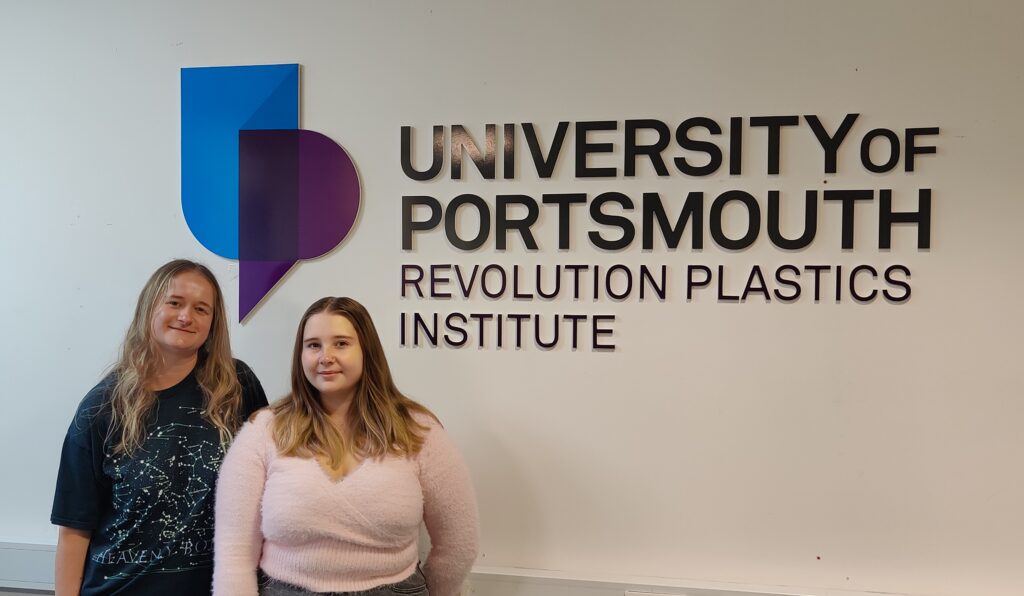
Undergraduate Marine Biology student, Georgina Andrews, recently completed a work experience programme with us at the Global Plastics Policy Centre. Here, Georgina tells us more about her eye-opening experience.
I was introduced to government policy throughout my final year at the University of Portsmouth studying Marine Biology; however, this was mostly in the context of fisheries policy and marine spatial planning. Through this, I found a genuine interest in policy and how we can integrate it into conservation and use it to combat current environmental issues. We were introduced to plastics, particularly microplastic pollution, in a lecture; I felt there was much more to know and understand about this growing pollution problem than could be fitted into a two-hour slot. I also found that despite the topic, many students returned with coffees in disposable plastic cups from their break. On a more positive note, people seemed to only have reusable plastic water bottles in front of them. Prior to this, my interest in plastic pollution and the importance of reducing our waste started earlier, most likely when I watched the film WALL-E and saw the risks of huge landfills and litter. This interest led me to the internship at the Global Plastics Policy Centre (GPPC). I started at the GPPC in early July, originally committing to a six-week internship; this was extended to eight weeks throughout my time due to my enjoyment of the work and desire to learn more about various topics and projects covered by the Revolution Plastics Institute.
The bulk of my work and first project was exploring the UK plastic policy landscape to understand the common successes and opportunities in plastic policies. This project offered a great foundation for developing my comprehension skills of policy, as initially I struggled with the wording and specific terminology used. Through my work on this, the current gaps in plastic policy in the UK were clearly highlighted, which allowed me to gain a richer understanding of the current priorities of the UK government. This initial project also reassured me that I genuinely enjoyed learning about environmental policy and had a desire to continue to educate myself on the value of effective policy in conservation and reducing plastic pollution. I completed various policy evaluations as part of this project. These policy evaluations include the 25 Year Environmental Plan (2018), which is a plan documenting how the government would leave the environment “in a better state than it was found for future generations.” This evaluation was challenging due to the breadth of issues covered and the long timeframe given to achieve this goal, resulting in a lack of firm action after the initial finding and policies introduced alongside the plan. I also evaluated the The Environmental Protection (Plastic Straws, Cotton Buds and Stirrers) (England) Regulations 2020, and The Plastic Packaging Tax (General) Regulations 2022 which fell short of reducing plastic waste in the UK due to the small section of plastic waste covered by the environmental protection act and the lack of recycling infrastructure to support the 30% recycled content target in the Plastic Packaging Tax. Overall, this led me to realise how little evidence there is for the effectiveness of legislation in the UK and how this can impact our knowledge of what strategies work.
Before starting this internship, I considered recycling the most effective way to limit plastic pollution, which led me to neglect considerations surrounding other strategies. Beginning to learn about reuse as an effective strategy to reduce plastic pollution shifted my perspective and made me consider how this could be implemented. My particular focus was Southeast Asian reuse, which led me to write a blog summarising the current recommendations for reuse in this region from a launch webinar co-hosted by the GPPC, Dietplastik Indonesia, and Enviu. Through this, I learnt that reuse is not only effective in reducing plastic pollution but also has many cultural relevancies as traditional reuse strategies were replaced by single-use plastics. Moreover, I shifted my focus from plastic pollution in the UK to considering it a global problem that requires global collaboration to significantly reduce its impact.
I was also given the opportunity to support other projects, including a project run by Dr Tegan Evans. In this project, I utilised the policy comprehension skills developed in my first project to look for specific details in policies and where ambiguous wording could lead to confusion within the legislation. In turn, I further developed these comprehension skills and gave greater thought to how important it is for policies to be specific and well explained to prevent confusion, exploitation, or unfair sanctions. Moreover, these projects allowed me to work with more of the team and learn more about the breadth of the work conducted at the GPPC.
Prior to this internship, the only employment experience I had was in part-time hospitality roles, leading to me being apprehensive for my first few days, particularly my first day in the office. My apprehension quickly faded upon meeting everyone as the environment was incredibly welcoming and friendly. I instantly felt like a member of the team and got to learn about the various projects being worked on, which everyone was happy to talk to me about. This, coupled with the various projects that I worked on, meant that I gained invaluable knowledge about plastic pollution and the many layers involved in combating it.